
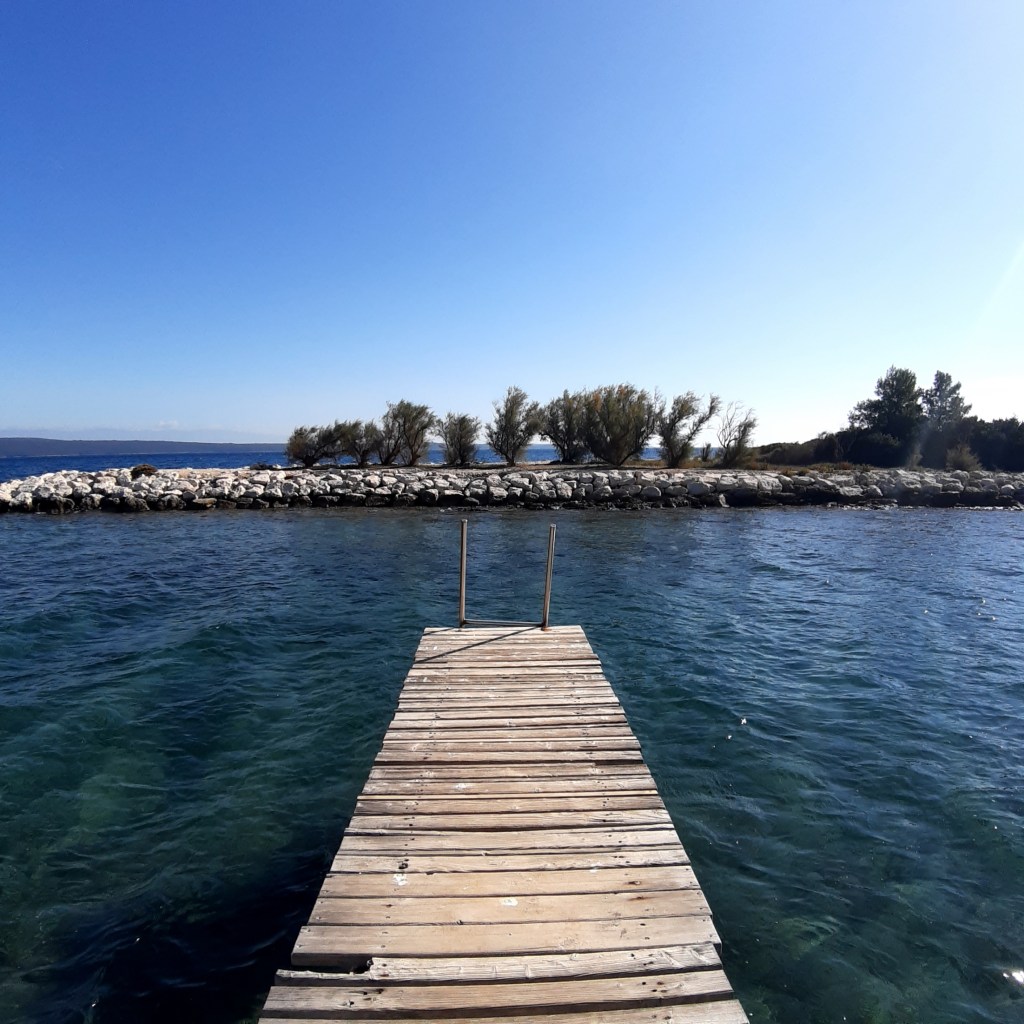
It’s been four years since my last blog post, so get ready for a bit of a long one. Grab a snack and some coffee and sit back. (I’ve added pictures to break up the text—I know reading stuff like this online takes serious patience!)
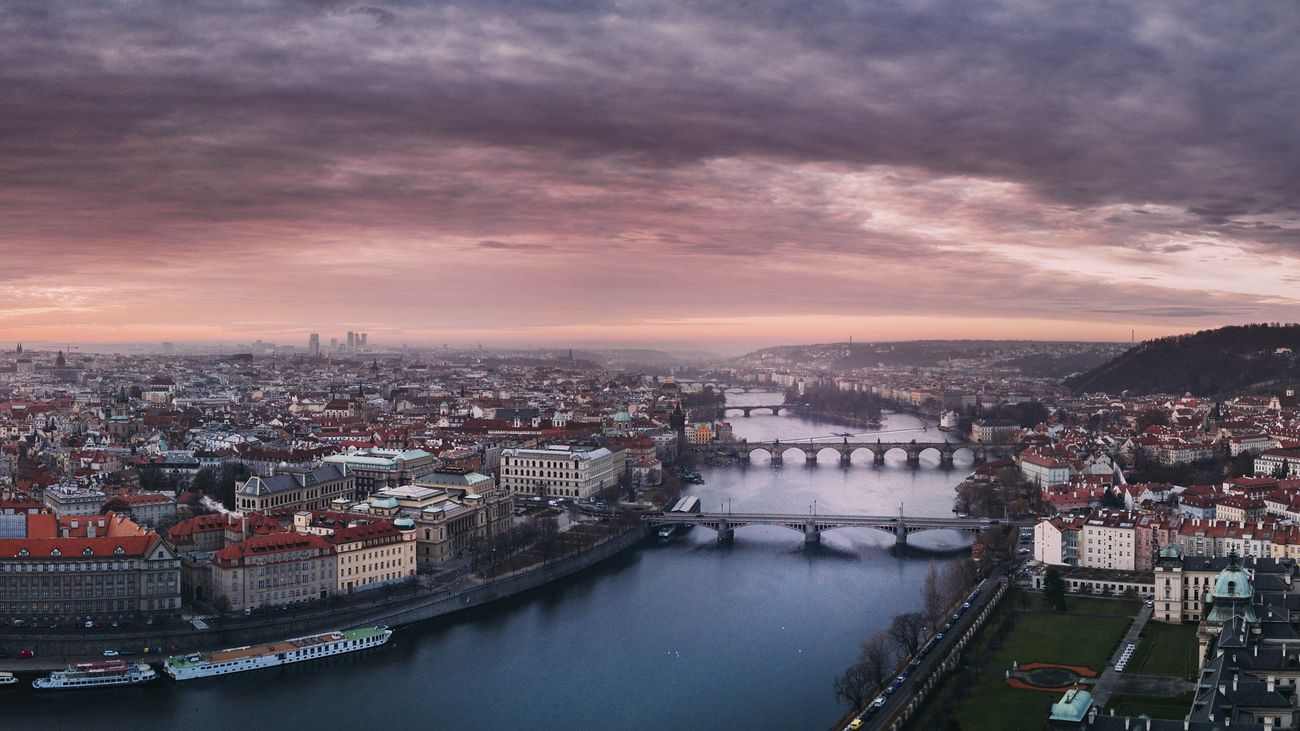
An old woman with a few missing teeth started talking to me in the Prague post office. The post office was full and it was a grim, grey day. I was exhausted. Besides the usual day-to-day madness, my partner and I had packed up two apartments, flown a dozen planes across the US, hustled ceaselessly for work, taken our cat to the vet multiple times for a mysterious illness, visited my partner’s family in the countryside, and watched anxiously from afar as the war in Ukraine continued to escalate and Covid continued to affect our loved ones.
So when this strange lady spoke Czech to me in a bright, curious voice, it took every ounce of willpower to not snap and tell her to shove off. I was cold, hungry, tired, and not interested in trying to communicate in the broken Czech I knew. As she kept talking about how much she loved animals, I felt a cruel rage build in my chest. I didn’t want to talk to her, or to anyone. I felt trapped like a wild cat. I wanted to escape.
Why would a sweet old woman trigger me so much? It’s the kind of reaction I don’t think we talk about enough, but it seems pretty prevalent in the world lately. I know I wasn’t alone in feeling uncontrollable, but I had to figure out why this was happening.
Prague had always seemed like a magical place to me—winding, ancient streets, art nouveau cafes everywhere, a wild history, beautiful architecture, people from all over the world… I used to write so much back then. Everything inspired me. But the consequences of living there for more than ten years slowly ate up my creative drive. I felt increasingly swallowed up by the city, as if my voice never truly mattered. Strangers addressed each other with sour and suspicious dispositions. Everyone ran at a speed that consistently drove them into the ground. I saw exciting startups fall apart and relationships crumble away again and again. The idea of community didn’t exist—if you found one, you could enjoy it for a while, but it would eventually wither away as people moved or changed jobs.
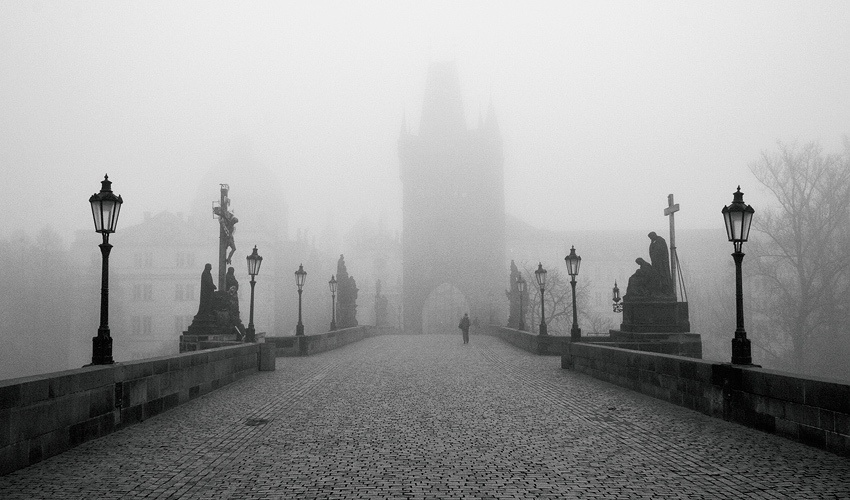
And it wasn’t just the lack of support and community that were getting to me. The sheer amount of people, cars, trams, noise, pollution, unpredictability, and growing consumerism seemed to expand every year. There was nowhere to hide. Public parks were always packed, cafes were full, tourists and irritable locals crammed into the trams like anchovies in a tin—it was truly suffocating. I wasn’t even safe inside my apartment; neighbors would blast music, the postman would ring my bell at 6am, people would congregate at the nearby bus stop outside and yell all night.
After ten years of this, my strings were strung taut. Anxiety buzzed through my veins more readily than hemoglobin and I was in constant fight-or-flight mode, ready to take on whatever random obstacle or difficult encounter I had to each day. My whole identity had shifted as a result—I wasn’t creative, optimistic and curious, I was miserly, stubborn, and quick to anger. I had given myself up along the way and my writing and mental health were suffering because of it.
My partner and I decided that, for both our sakes, we needed to make a change. We needed to leave.
At the end of September, we took our cats and a few belongings to an island off the coast of Croatia, hoping to find a slice of peace that would reignite our creativity and sense of fun. As soon as we arrived, we were stunned—like we’d just stepped off a shuttle on Mars.
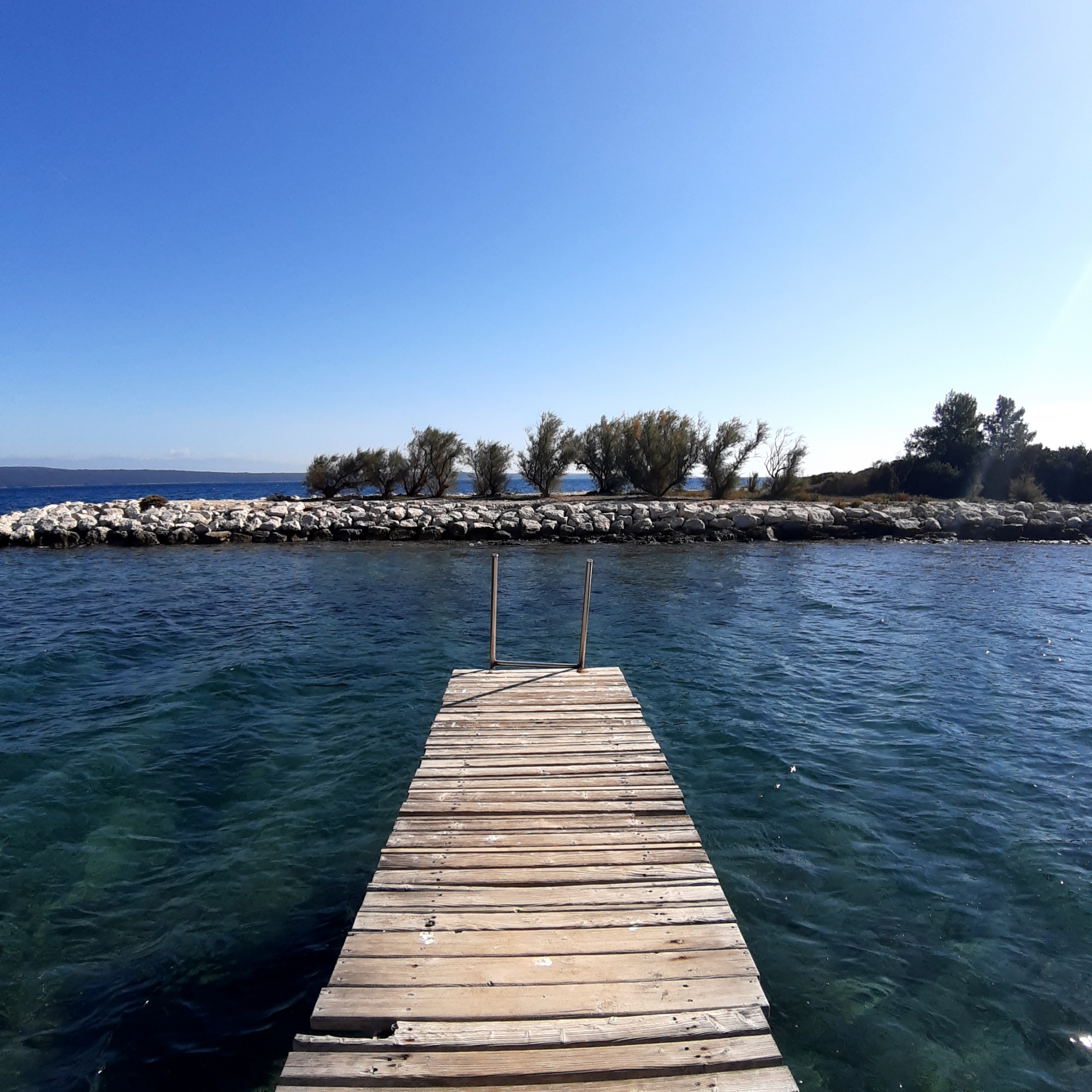
The air was fresh and smelled of the tangy, decaying berries that littered the ground. The sea was as blue as a jolly rancher and crystal clear, and we could see all the way to the mainland in the distance. Since tourist season was closing, our village was almost vacant; the whole island had fallen into a serene silence. Adorable cats wandered around and greeted our two indoor boys through the kitchen window. And I couldn’t believe the nature—it was so wild, thick, and unfamiliar. I had never seen a real mangrove shelf or the kind of primordial-looking rocks that jutted up from the water like leviathan teeth.
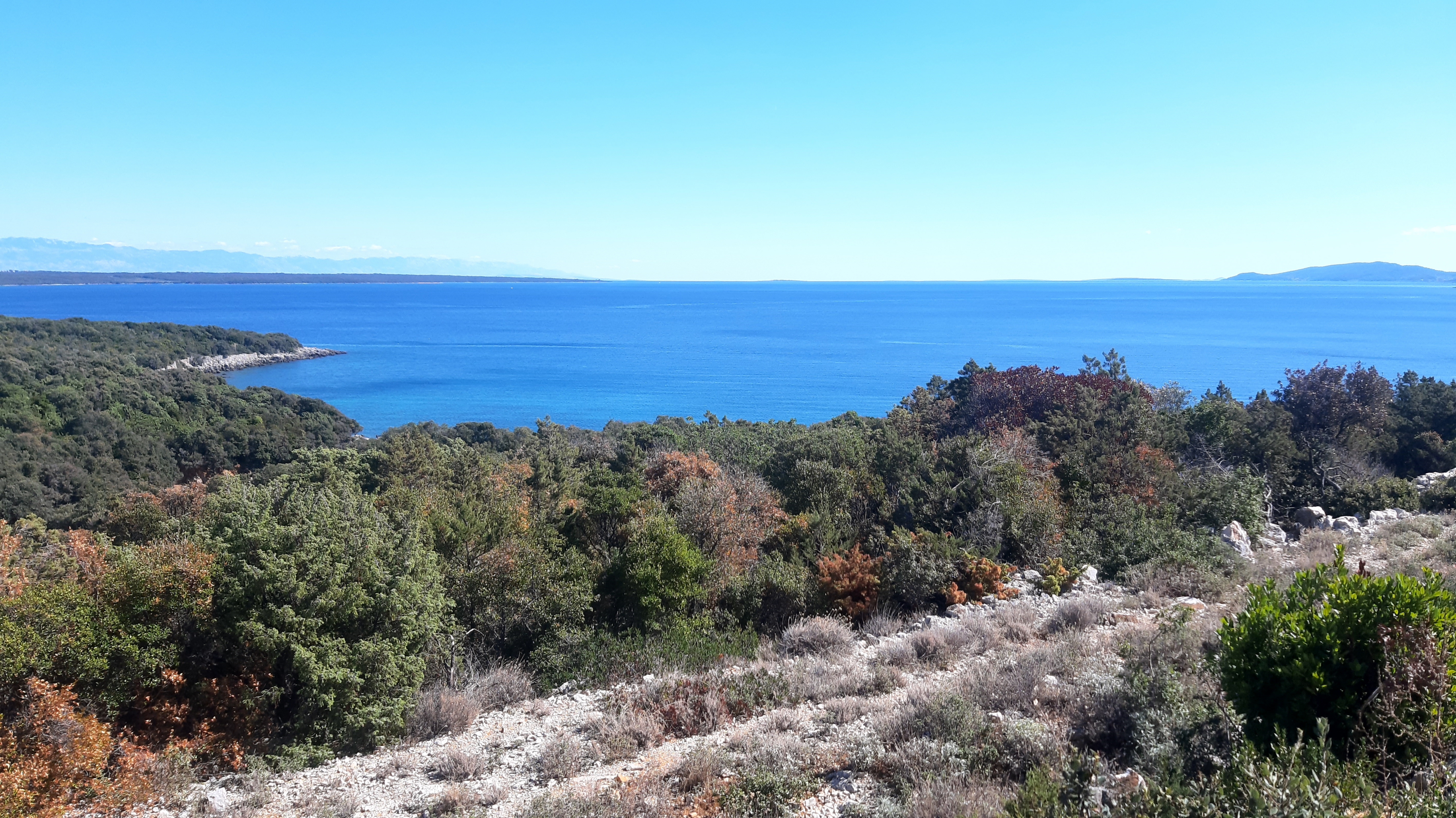
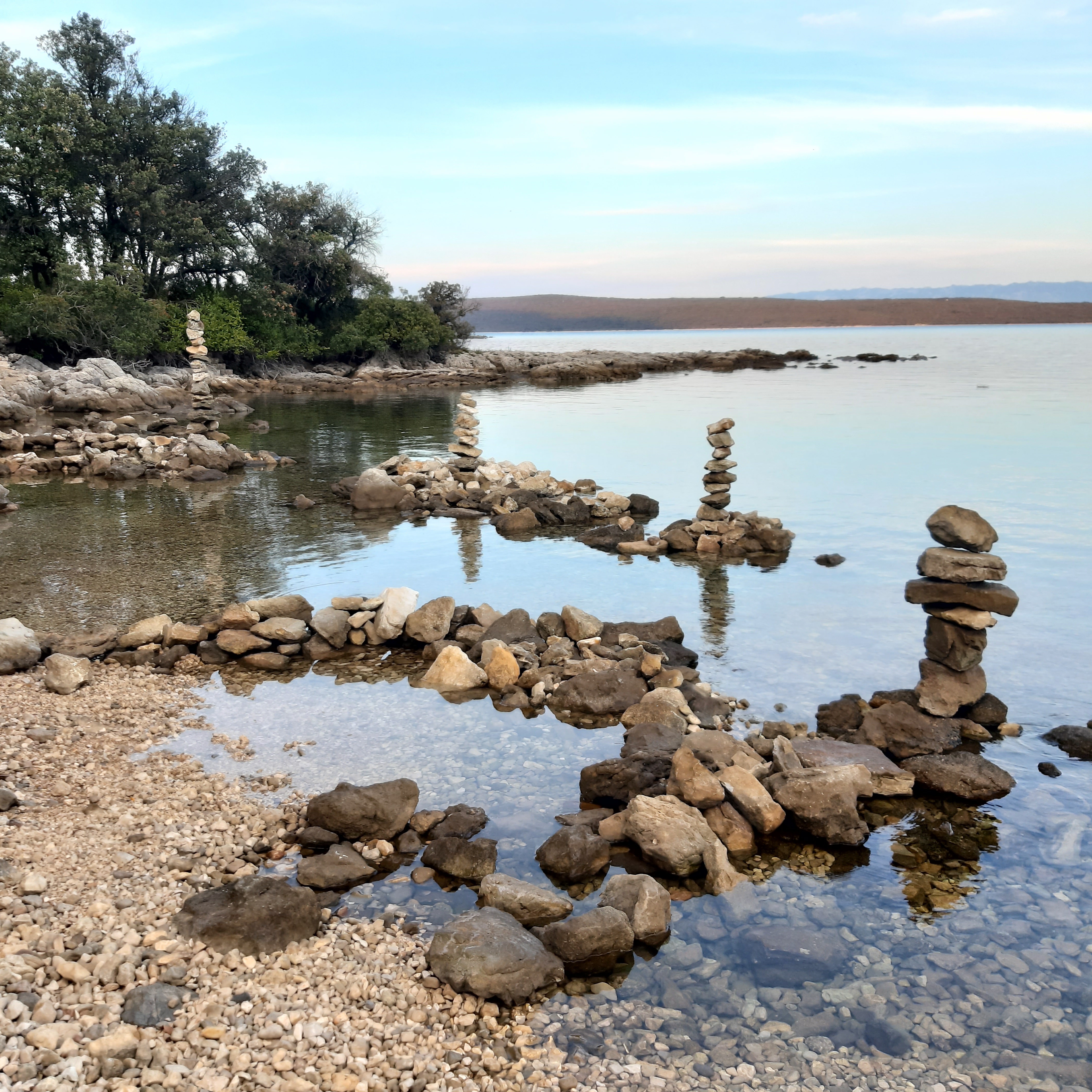
Our first walk down to the nearest beach felt like a fairy tale. I couldn’t remember being that curious or delighted. Dalmatian lizards scurried between the many stone walls that ran through the area. Crows barked from the branches of crooked fruit trees. Sheep gnawed on grass in little pastures. The sky was enormous.
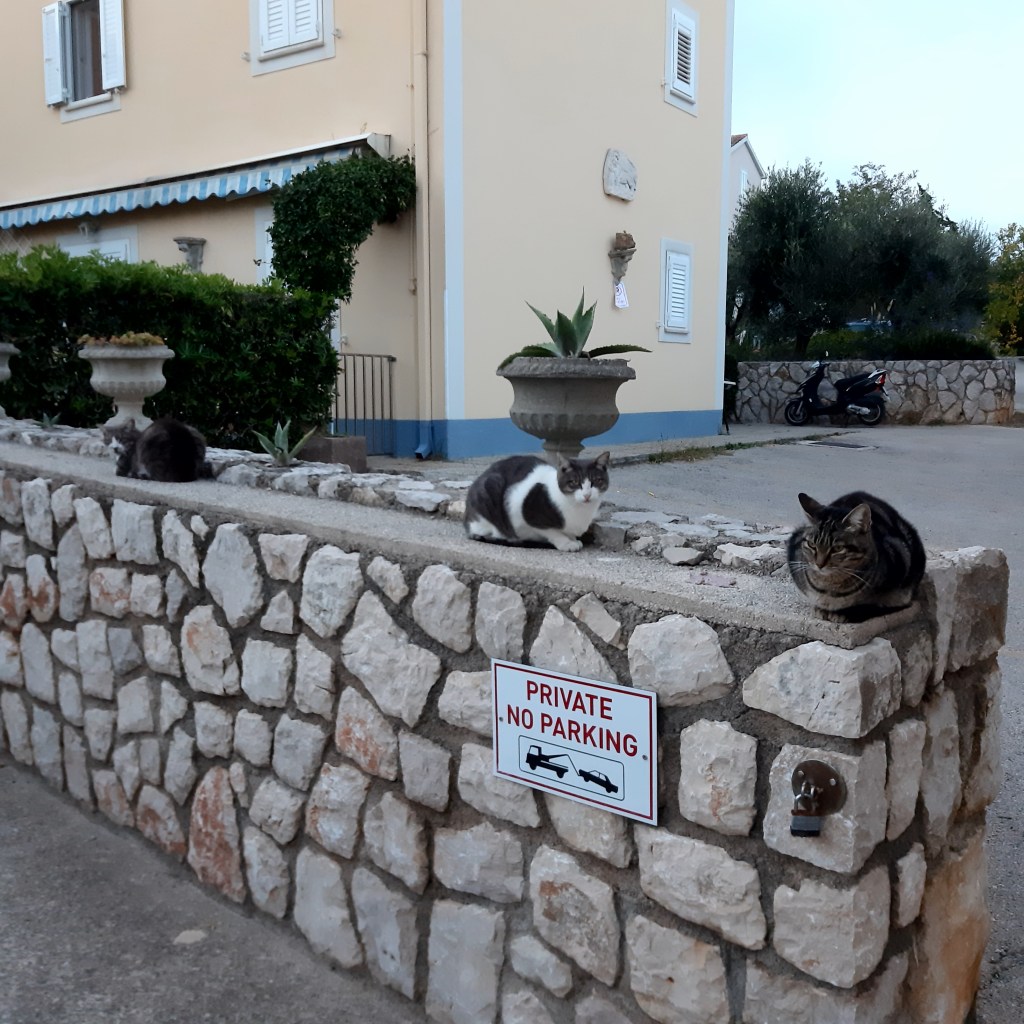
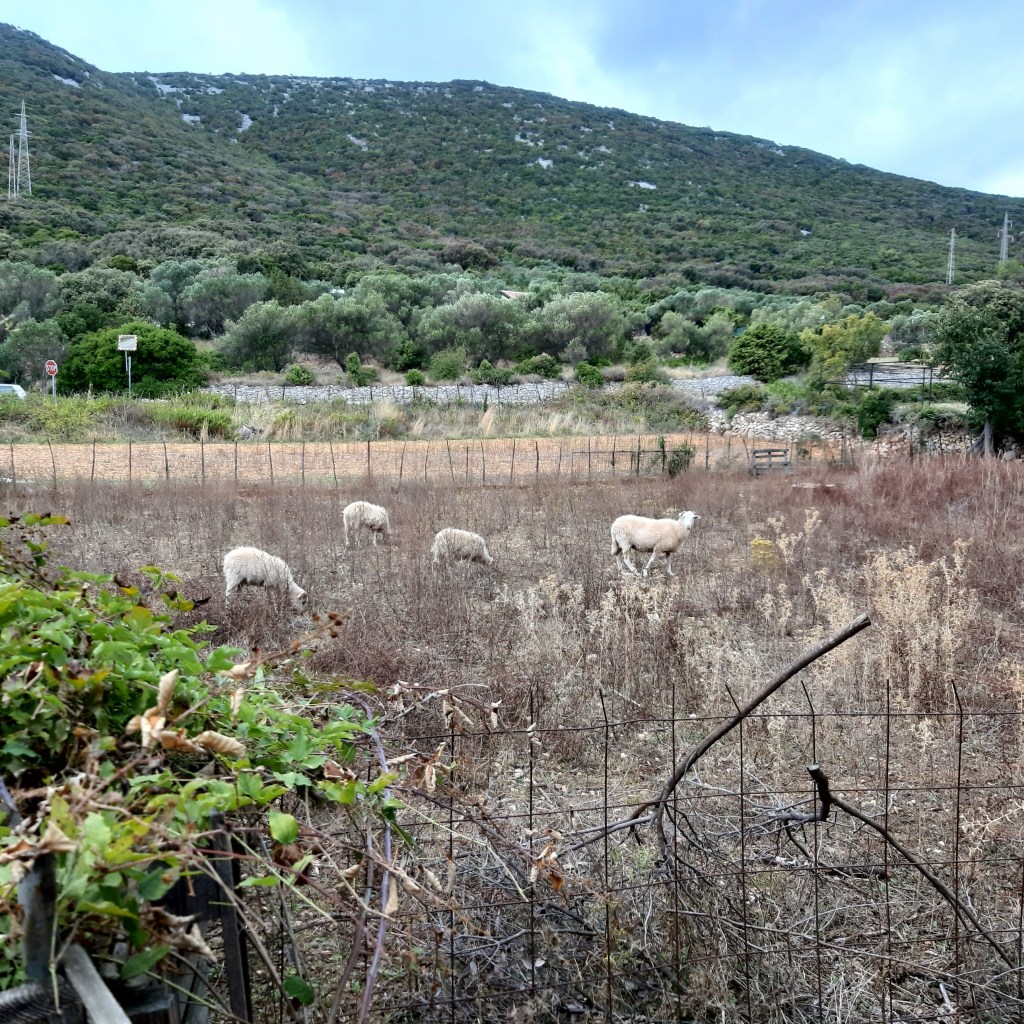
That first week, we swam in the sea every afternoon. We made friends with the local fish and I learned to dive the way I used to as a kid, violently and suddenly. I laughed, splashed, squealed, and sighed more times than I had in years. My heart nearly exploded when I saw a crab for the first time. A crab!
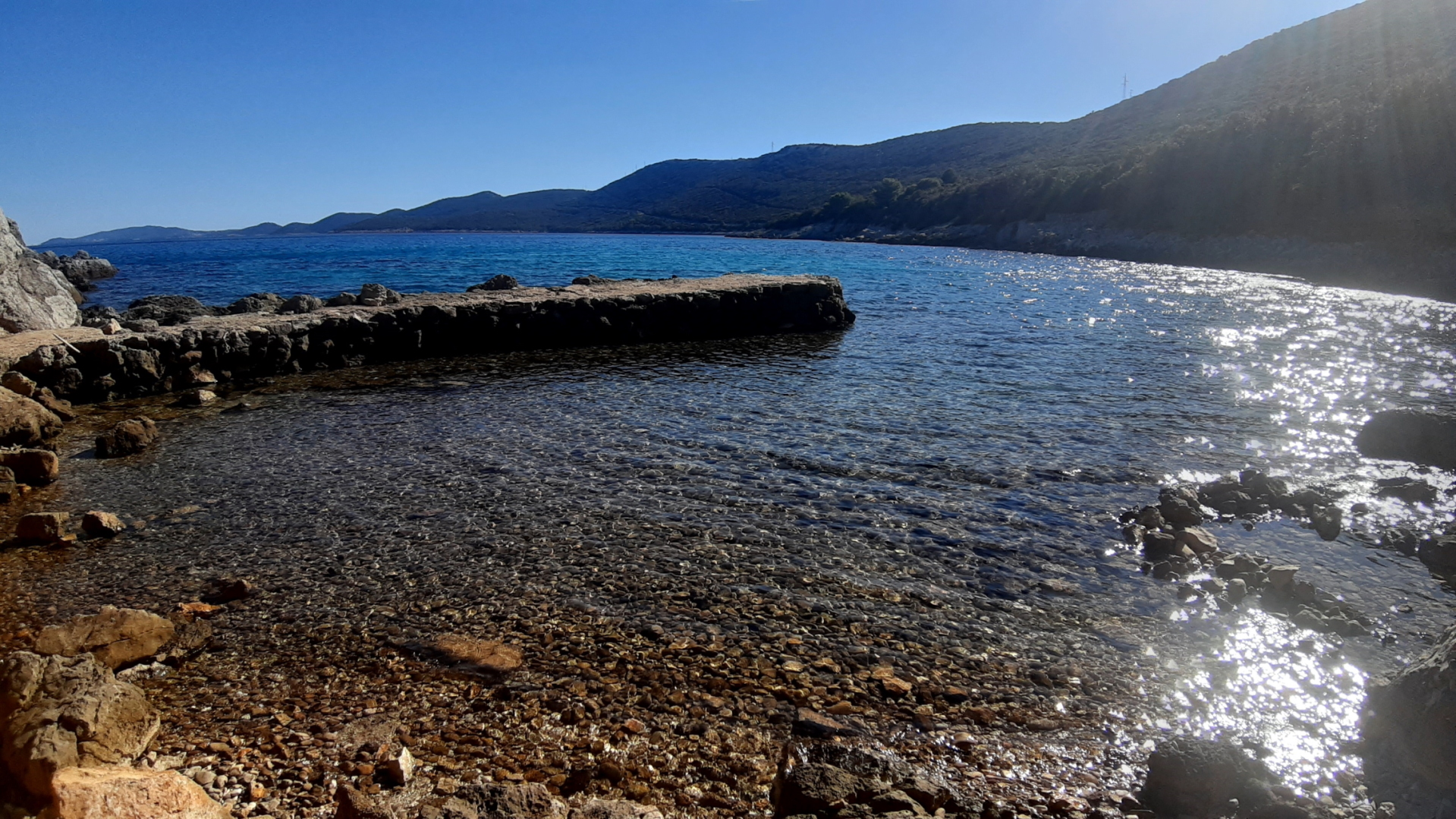
Everything that had weighed on me back in Prague was lifting. I no longer felt perturbed by every inconvenience. The nearest grocery store, for instance, was 2 kilometers away, and with no car or moped, we had to walk down a rocky forest trail and along the seaside and back with our backs laden with food. And it was glorious. The smell of the pine trees and salty air was mind-boggling. We inhaled it all, over and over. (The pic below is was taken on route to the grocery store.)
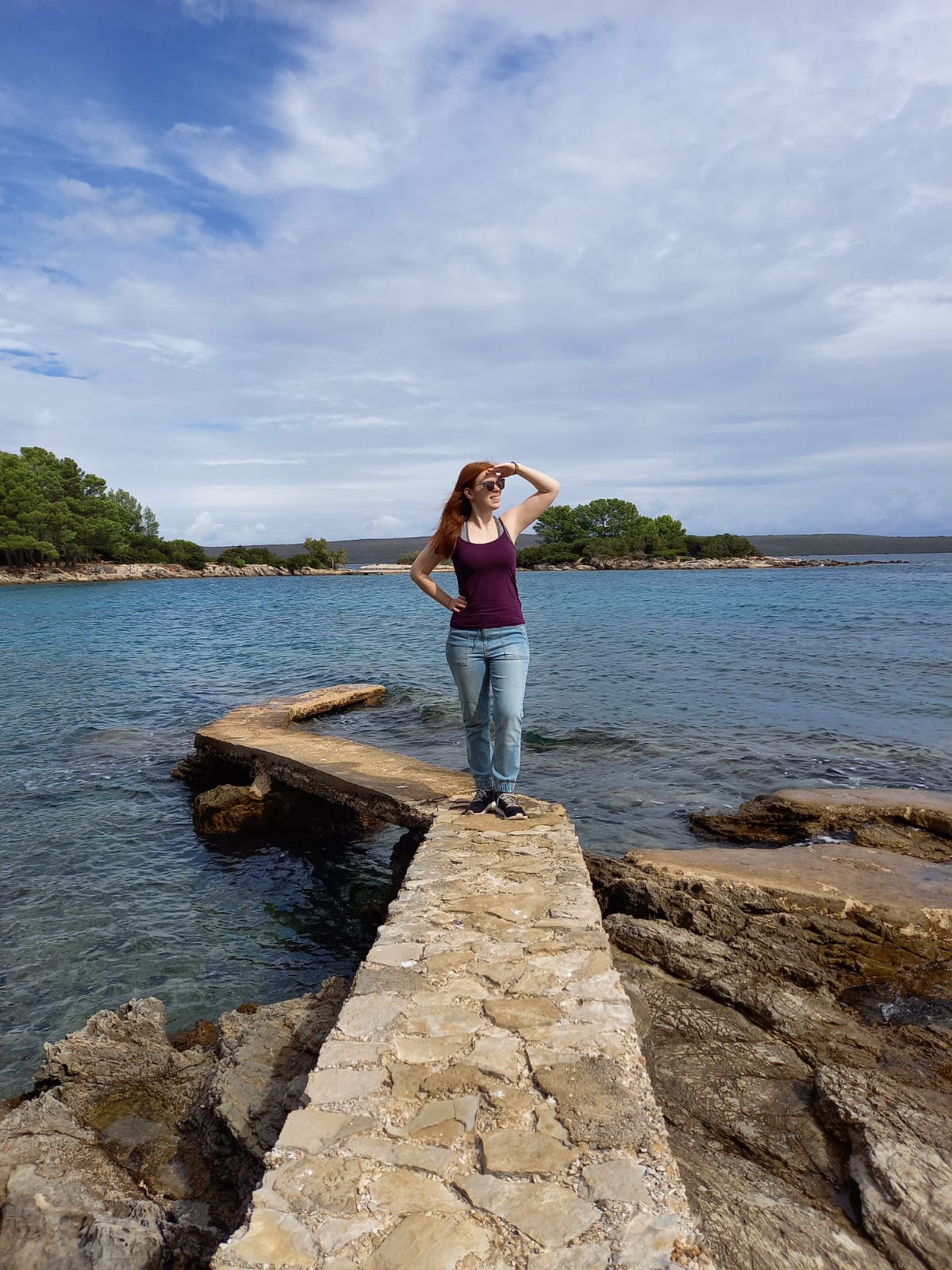
Now, let’s pause for a moment. This kind of retreat is every artist’s dream, right? On some level, every writer, artist, and thinker longs to spend time in a beautiful paradise, where their creative soul can flourish. Woolf, Carroll, Keats, Shelley, Melville, Hemingway, Teasdale—they all loved the seaside. They found inspiration shimmering across the white-capped waves. I believed the same would happen to me. I would roll the tape back and rediscover how to be the most creative and prolific version of myself. There was no better time or place. Everything was serene, everything was perfect.
Then the drilling started.
Into week two, a neighbor who owned the flat next door told us there would be reconstruction for about a week. We shrugged it off—a week’s not so bad, plus we could escape to the beach easily.
That had been a flat-out lie. Workers would arrive at 7:30 am every morning and begin drilling, loud, ear-splitting, wall-shaking drilling that masked our voices and made working impossible. At the same time, there was hammering and wild music blaring from a radio, and the workers yelled at each other. The beach offered only a short respite; the drills went on until 4 or 5 pm.
A week passed…then another…then another. We were starting to lose sleep, and subsequently, our sanity.
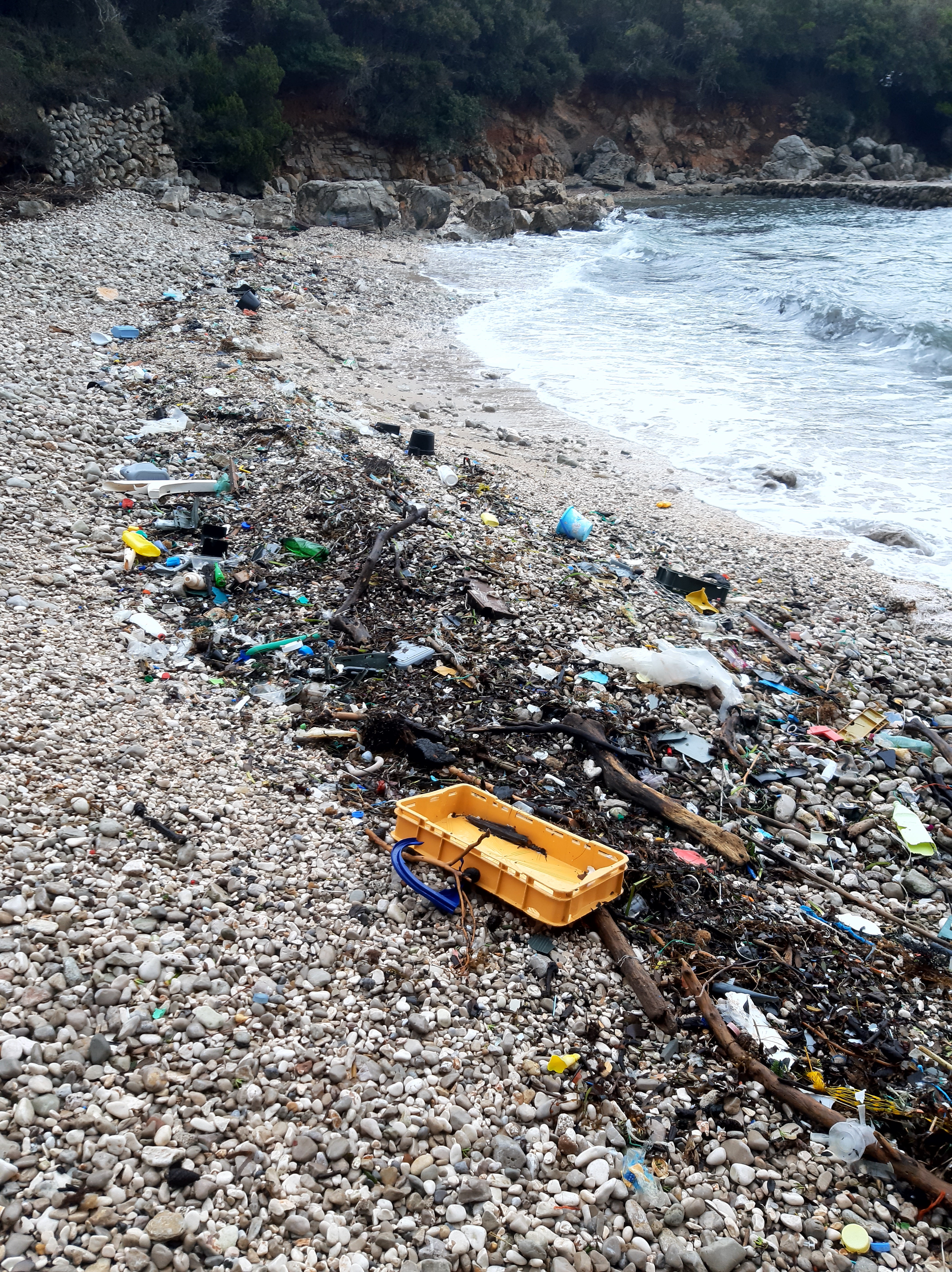
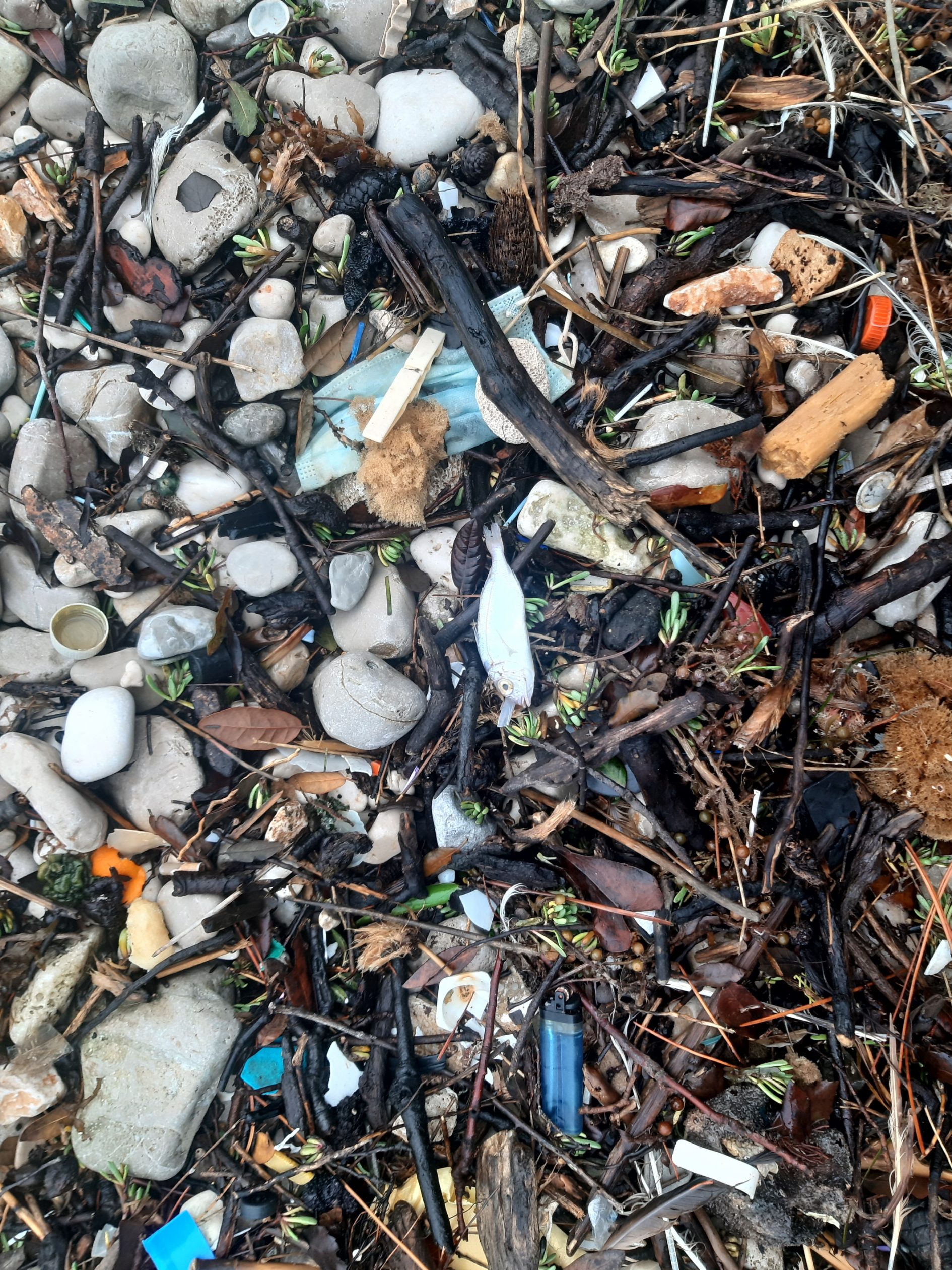
Like a reunion with a toxic friend, I was met by raging anger again. I thought I’d gotten rid of it—but there it was, bubbling up every morning, hot and searing as before. I was unbearably irritated by little things: our washing machine was delivered two weeks late, so we had to sport dirty clothes for a while; our internet speed was very slow, despite what our landlord had promised us; the bus to the bigger town with more shops only operated at 7am; mosquitos hounded us inside and outside, leaving us with horrible welts; spots of mold started growing on the walls; after a storm or a windy day, our beloved beach would fill up with plastic.
An irksome twinge pulled at my stomach. When I lay on the stony beach, looking at the sky, I couldn’t concentrate on the peaceful moment. All I could think was, “What am I doing here? This isn’t right…” At night, I was plagued by bouts of fatigue that ate up my free time. I couldn’t seem to get enough sleep. Thoughts of “what will the future hold?” and “is this secluded life really for me?” kept cropping up.
October turned into November, which brought colder weather and rain. Lots of rain. Our outdoor time was cut in half and swimming was no longer an option. The drilling and hammering and noise next door continued without fail. I was losing hope. How could I have fallen for the idea of a perfect paradise? Why was I still the same person I was in Prague?
The answer was begrudgingly obvious: paradise can only be as peaceful as the mind is peaceful.
My problems hadn’t been Prague and city living—at least, not entirely. The chaotic and busy lifestyle there had only exacerbated deep-seated issues that I was carrying. I wasn’t angry at crowds, or noise, or bad luck; I was angry that I had let myself get lost. I was angry that I hadn’t prioritized myself for so many years, that I had spent time being someone else in order to please others. I was angry that I felt helpless about a world that seemed to be falling apart more and more each year. I was angry that I had not taken care of my health and was experiencing the repercussions. I was angry that people in my life that I truly cared for had not been honest. I was angry that I hadn’t been able to afford therapy long enough to dissect these issues.
In short, I had let myself down, and that had infected my entire perspective.
There’s surprisingly little to do on a secluded island. In moments of boredom, when the rain splashed and the wind threatened to bulldoze the trees, I made myself meditate and think. I knew that my perspective had been warped beyond comprehension. Nothing looked peachy to me. No matter how cozy, loved, or comfortable I was, I would revert instantly back to Cruella De Vil as soon as my carefully-curated equilibrium was shaken. And creatures that cannot adapt do not last very long.
To be honest, I cried a lot. I felt guilty as hell about it at first, since I was privileged to be where I was and doing what I was doing, but the mind knows when it needs to purge. I had years of purging to make up for. And I was mourning the woman I hadn’t become.
As November drew to a close, I slowed down so much you could’ve mistaken me for a seasnail. “Why am I here?” I asked myself every day. “To slow down,” my mind said. “Not to be a prolific writer and finish my book and write a collection of poetry?” I asked, astonished. “Nope,” said my brain. “You’re here to figure stuff out.”
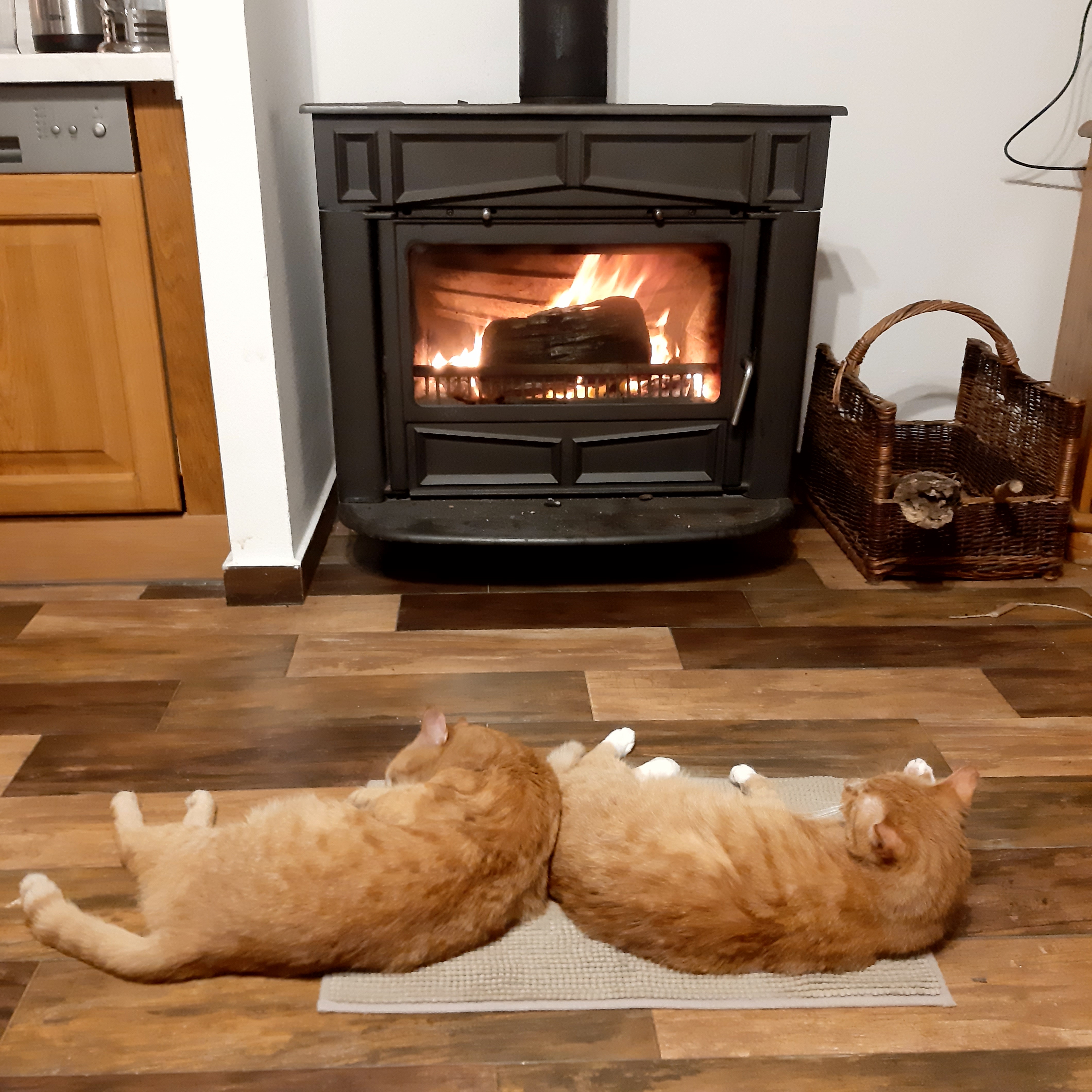
If my time on the island wasn’t going to be an idyllic writer’s retreat where I practiced inhuman discipline to finish all my projects, then it was going to count for something else—perhaps something much more important.
Cleaning the beach regularly helped me realize something. It felt almost metaphorical; the biggest chunks of plastic were the easiest to spot and collect, but it was the endless slog of tiny, broken plastic pieces between the stones that posed the most danger. My mind was like the beach. The big issues had been discussed and analyzed ad infinitum (such as my anxiety disorder and self-esteem issues), but the little shards underneath hadn’t been sifted out. I didn’t even know they were there.
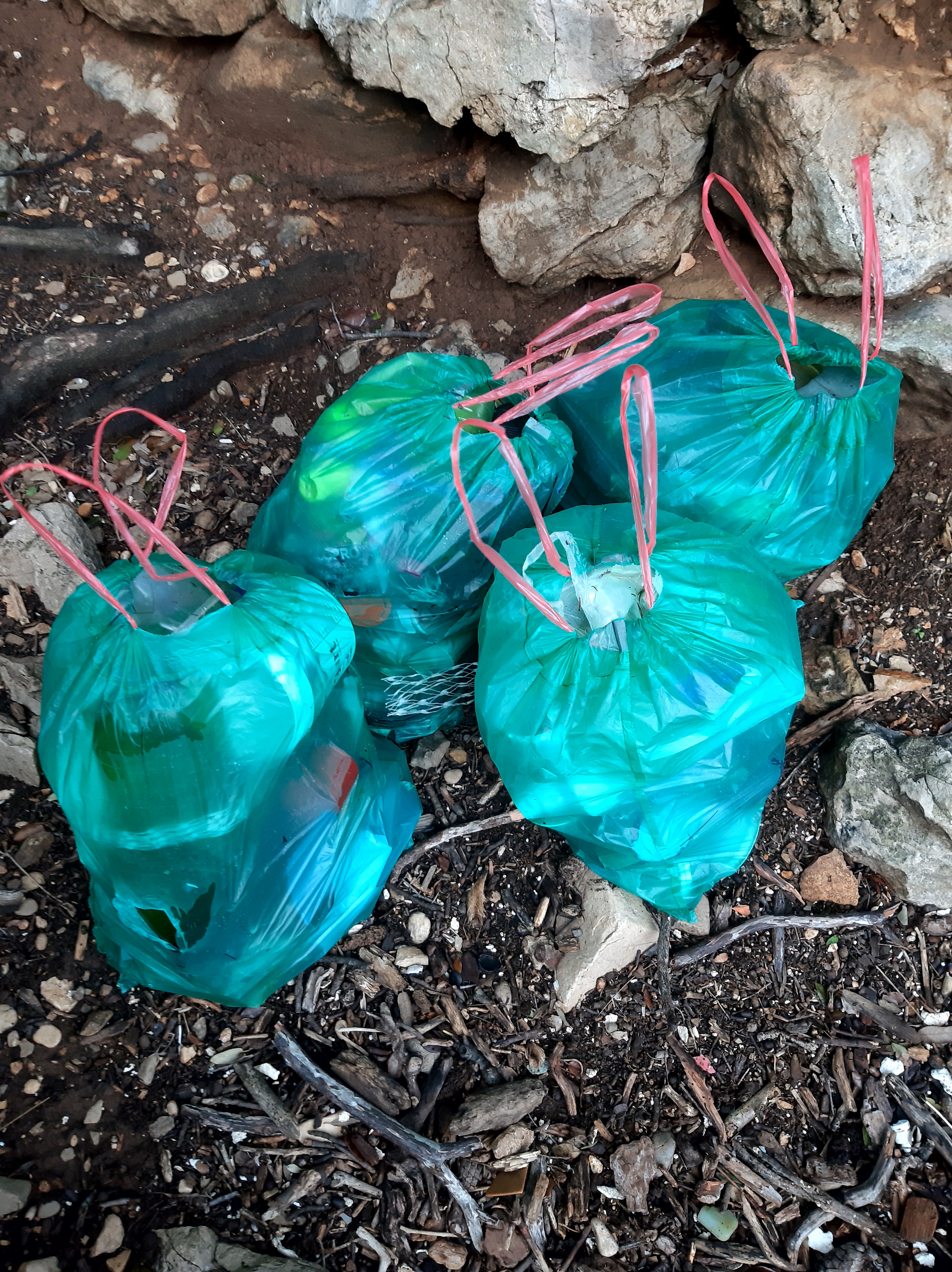
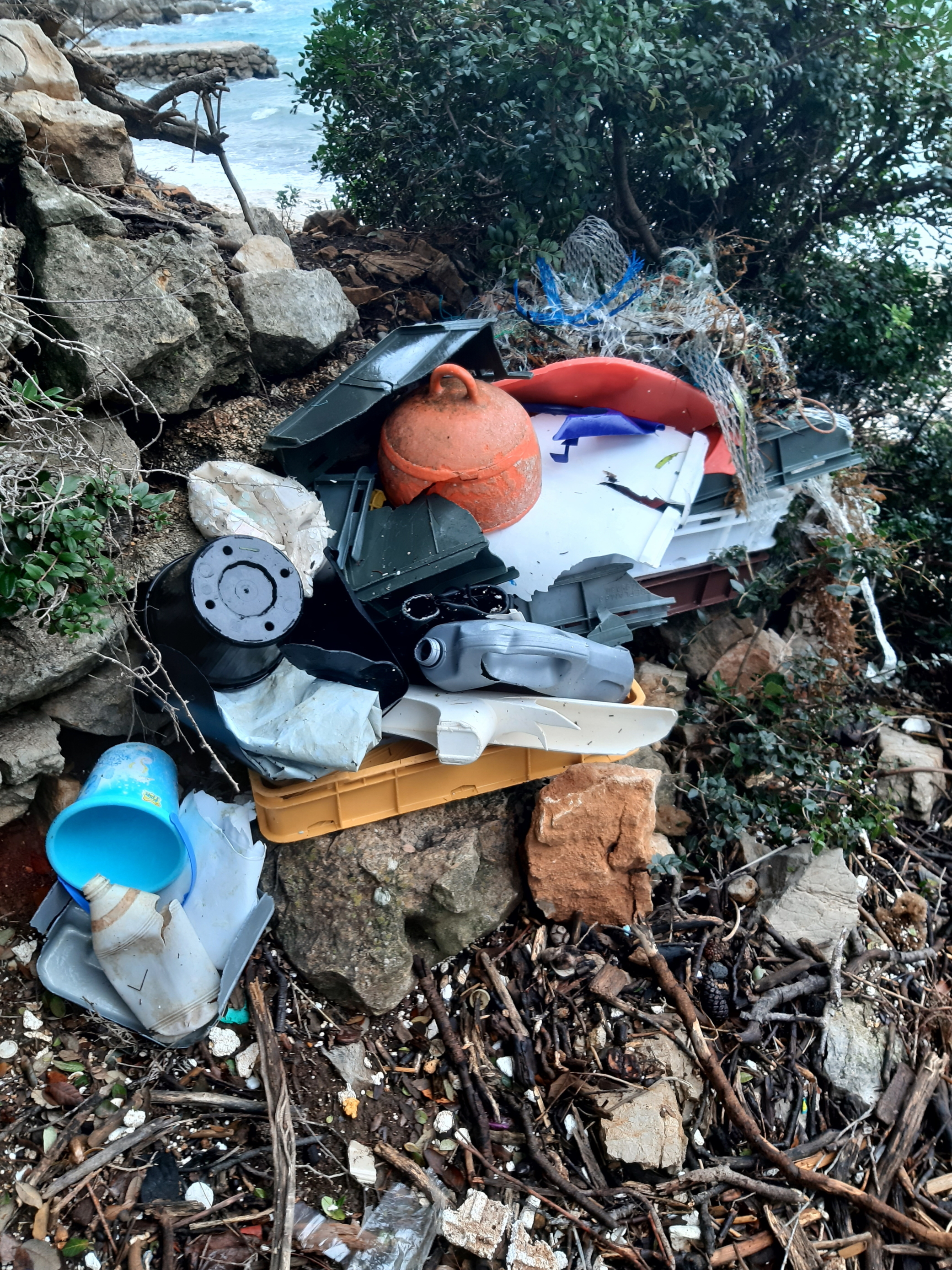
Did the uneasy twinge go away? Not really. I’m still on the island and it’s as isolated and uneventful as ever. The only people I see are the upstairs neighbor and the clerks at the grocery store. There’s nowhere to go. I’m effectively removed from society, something I’d longed for while in Prague. Now that I’ve had a decent taste of it, I know it’s not a long-term solution—once I shed the negative worldview and gain a better understanding of myself, I want to be a part of a bigger community. I want to do good, not just achieve great things.
I have ups and downs still. Just the other day, I broke down and asked my partner if we should cut our contract short and leave. I was frightened of feeling bored. In Prague, there was no time to be bored. Everything moved so fast, felt so urgent. But it’s in the forced silence and the boring moments that we are able to see things clearly. For someone with anxiety (and likely ADHD, which runs in my family), distracting the mind is essential. It’s a pacifier for all those thoughts and emotions that we don’t understand. There’s no logic to it. You have to distract yourself to survive.
What I learned, and am still learning, is that my survival depends on the exact opposite.
“When you’re quiet, everything settles on the floor of your mind like sediment in undisturbed still water.”
Megan Monahan
I have to stop and be still with my own mind, not distract it. I have to voice my feelings out loud, not hide them away in shame. I have to look deeper, layer by layer, and figure out why the hell I have so much trouble feeling legitimate or worthy. Why do I have trouble finishing projects and why do I demand perfection from myself? Is this how I really want to live? How many years do I have left, 40 or 50? Am I really going to spend those being the version of myself I molded based on people’s expectations and programming?
Maybe so many writers and artists love the seaside not for its natural beauty alone. Maybe they found something disquieting about themselves under the surface, the way I have. They weren’t cured of their various mental illnesses by spending time by the sea; we all know Woolf’s and Hemingway’s fates. Carroll died alone from pneumonia and left behind diaries that revealed his ongoing battle with his identity and beliefs. It’s almost like the sea acts as a catalyst for clairvoyance. While gazing at its horizon, you feel both unimaginably large and witheringly insignificant at the same time.
Which, I think, is an important thing for all of us to experience. The sea really is magic that way.


 Mar von Zellen
Leave a reply to Through the Looking Glass…to Berlin. – MAR VON ZELLEN Cancel reply